Skip to Content
Odoo เมนู
  • ลงชื่อเข้าใช้
  • ทดลองใช้ฟรี
  • แอป
    การเงิน
    • ระบบบัญชี
    • ระบบการออกใบแจ้งหนี้
    • ระบบบัญชีรายจ่าย
    • ระบบการจัดการข้อมูลผ่านสเปรดชีต (BI)
    • เอกสาร
    • ระบบลงลายเซ็น
    การขาย
    • ลูกค้าสัมพันธ์
    • การขาย
    • POS ร้านค้า
    • POS ร้านอาหาร
    • ระบบสมัครสมาชิก
    • การเช่า
    การจัดการเว็บไซต์
    • เครื่องมือสร้างเว็บไซต์
    • ระบบการขายออนไลน์
    • บล็อก
    • ฟอรั่ม
    • ไลฟ์แชท
    • ระบบการอบรมออนไลน์
    ซัพพลายเชน
    • คลังสินค้า
    • ระบบการผลิต
    • PLM
    • ระบบการจัดซื้อ
    • การซ่อมบำรุง
    • ระบบจัดการคุณภาพ
    ทรัพยากรบุคคล
    • ข้อมูลพนักงาน
    • ระบบสรรหาบุคลากร
    • ระบบการลา
    • การประเมิน
    • ระบบการแนะนำพนักงาน
    • ระบบจัดการยานพาหนะ
    การตลาด
    • โซเชียลมาร์เก็ตติ้ง
    • การตลาดผ่านอีเมล
    • ระบบการตลาดผ่าน SMS
    • ระบบการจัดงานอีเวนต์
    • การตลาดแบบอัตโนมัติ
    • ระบบแบบสำรวจ
    การบริการ
    • โปรเจกต์
    • ระบบบันทึกเวลา
    • ระบบการจัดการบริการภาคสนาม
    • ระบบดูแลช่วยเหลือ
    • การวางแผน
    • การนัดหมาย
    ประสิทธิผล
    • ระบบแสดงความคิดเห็น
    • ระบบการอนุมัติ
    • ไอโอที
    • VoIP
    • คลังข้อมูล
    • WhatsApp
    แอปพลิเคชันของบุคคลที่สาม Odoo สตูดิโอ แพลตฟอร์มคลาวด์ของ Odoo
  • อุตสาหกรรม
    การค้าปลีก
    • ร้านขายหนังสือ
    • ร้านขายเสื้อผ้า
    • ร้านขายเฟอร์นิเจอร์
    • ร้านขายของชำ
    • ร้านขายฮาร์ดแวร์
    • ร้านขายของเล่น
    Food & Hospitality
    • บาร์และผับ
    • ร้านอาหาร
    • อาหารฟาสต์ฟู้ด
    • Guest House
    • ตัวแทนจำหน่ายเครื่องดื่ม
    • Hotel
    อสังหาริมทรัพย์
    • Real Estate Agency
    • บริษัทสถาปัตยกรรม
    • บริษัทรับเหมา
    • การจัดการอสังหาริมทรัพย์
    • การจัดสวน
    • สมาคมเจ้าของอสังหาริมทรัพย์
    ปรึกษา
    • สำนักงานบัญชี
    • Odoo พาร์ทเนอร์
    • เอเจนซี่การตลาด
    • สำนักงานกฎหมาย
    • บริการสรรหาบุคลากร
    • การตรวจสอบและการรับรอง
    ระบบการผลิต
    • Textile
    • เหล็ก
    • เฟอร์นิเจอร์
    • อาหาร
    • Brewery
    • ของขวัญขององค์กร
    สุขภาพ & ฟิตเนส
    • ชมรมกีฬา
    • ร้านขายแว่นตา
    • ฟิตเนส
    • ผู้ประกอบวิชาชีพด้านสุขภาพ
    • ร้านขายยา
    • ร้านทำผม
    Trades
    • ช่างซ่อม
    • ฮาร์ดแวร์และการสนับสนุนด้านไอที
    • ระบบพลังงานแสงอาทิตย์
    • ช่างทำรองเท้า
    • บริการทำความสะอาด
    • HVAC Services
    อื่น ๆ
    • Nonprofit Organization
    • สำนักงานสิ่งแวดล้อม
    • ร้านเช่าป้ายโฆษณา
    • การถ่ายภาพ
    • ร้านเช่าจักรยาน
    • ตัวแทนจำหน่ายซอฟต์แวร์
    Browse all Industries
  • คอมมูนิตี้
    ศึกษา
    • บทเรียน
    • เอกสารกำกับโปรแกรม
    • การรับรอง
    • การฝึกอบรม
    • บล็อก
    • พอดแคสต์
    เพิ่มศักยภาพให้กับการศึกษา
    • โปรแกรมการศึกษา
    • Scale Up! Business Game
    • เยี่ยมชม Odoo
    รับซอฟต์แวร์
    • ดาวน์โหลด
    • เปรียบเทียบรุ่น
    • เผยแพร่
    ทำงานร่วมกัน
    • Github
    • ฟอรั่ม
    • ระบบการจัดงานอีเวนต์
    • การแปล
    • ร่วมเป็นพาร์ทเนอร์
    • Services for Partners
    • ลงทะเบียนเพื่อสร้างบัญชีบริษัทของคุณ
    รับบริการ
    • ค้นหาพาร์ทเนอร์
    • ค้นหานักบัญชี
    • พบกับที่ปรึกษา
    • บริการติดตั้งระบบเพื่อใช้งาน
    • ข้อมูลอ้างอิงลูกค้า
    • การสนับสนุน
    • อัปเกรด
    Github Youtube Twitter Linkedin Instagram Facebook Spotify
    +1 (650) 691-3277
    รับการสาธิต
  • ราคา
  • ช่วยเหลือ

Odoo is the world's easiest all-in-one management software.
It includes hundreds of business apps:

  • ลูกค้าสัมพันธ์
  • e-Commerce
  • ระบบบัญชี
  • สินค้าคงคลัง
  • PoS
  • โปรเจกต์
  • MRP
All apps
คุณต้องลงทะเบียนเพื่อโต้ตอบกับคอมมูนิตี้
All Posts คน เหรียญรางวัล
แท็ก (View all)
odoo accounting v14 pos v15
เกี่ยวกับฟอรั่มนี้
คุณต้องลงทะเบียนเพื่อโต้ตอบกับคอมมูนิตี้
All Posts คน เหรียญรางวัล
แท็ก (View all)
odoo accounting v14 pos v15
เกี่ยวกับฟอรั่มนี้
ช่วยเหลือ

Studio or custom module for basic changes? (And other custom dev questions)

ติดตาม

รับการแจ้งเตือนเมื่อมีกิจกรรมในโพสต์นี้

คำถามนี้ถูกตั้งค่าสถานะ
2 ตอบกลับ
6442 มุมมอง
อวตาร
Kevin Cackler

We are new to Odoo, but I really like what I've seen so far in playing with it. I think we're going to take the leap to implement it into our business processes, but before I do so, I have a question about how best to implement custom changes. 


For instance, in the CRM, we need to add quite a few new fields, some new tabs, etc... to leads. The easiest way forward would be to just use Studio to add these, but we are also perfectly capable of creating a 'crm_customizations' module and adding them there. Is there any downside to using Studio to make simple changes like this? 


In a similar vein - I have this same question for pretty much every aspect of the software. If we want to add a new model, does that have to be done in the code, or can we just do it from developer mode in Odoo? Or if we want to make a new Server Action, same thing. Can we just throw it in via the web interface and call it good or do we need to add it to our codebase?


Lastly, for now, if we have multiple modules that we're making, what's the typical deployment flow look like? Can these be managed as one git repo or are people creating separate repos for each thing they build, and deploying them separately?


Thanks!

0
อวตาร
ละทิ้ง
อวตาร
Cybrosys Techno Solutions Pvt.Ltd
คำตอบที่ดีที่สุด

Hi Kevin,

Using Odoo Studio for making simple changes like adding new fields, tabs, or customizations to existing modules such as CRM leads can be convenient and efficient, especially for users who are not comfortable with coding. It provides a user-friendly interface for making these modifications directly within the application.

However, there are some considerations to keep in mind when using Studio:

  1. Limited Flexibility: While Studio offers a quick way to make changes, it may have limitations compared to custom development. For complex or highly customized requirements, developing a custom module using code might offer more flexibility and control over the functionality.
  2. Version Control: Changes made through Studio are stored in the database and can't be easily version-controlled like code. This can make it harder to track changes over time, especially when multiple users are making modifications simultaneously.
  3. Portability: Customizations made through Studio are tied to the specific database where they are created. If you need to deploy the same changes to another instance or environment, you would need to manually replicate them or use Odoo's data migration tools.

Regarding adding new models or server actions:

  • New models and server actions can also be created using Studio, but once again, it may have limitations compared to custom development, especially for complex business logic or integration requirements.
  • For more advanced or complex functionality, creating custom modules using code allows for greater control and customization. This would involve developing Python code, XML views, and other necessary files to implement the desired features.

For deployment and managing multiple modules:

  • The deployment flow can vary depending on your specific requirements and development practices. Some organizations manage all their custom modules within a single Git repository, while others prefer separate repositories for each module.
  • Managing multiple modules in a single repository can simplify version control and deployment, especially if the modules are closely related or dependent on each other. However, separate repositories offer more granularity and isolation for each module's development and maintenance.

Ultimately, the choice between using Studio and custom development depends on factors such as the complexity of your requirements, the level of control and flexibility needed, and the expertise of your team. It's essential to evaluate the pros and cons of each approach and choose the one that best aligns with your business goals and resources.

Hope it helps

0
อวตาร
ละทิ้ง
อวตาร
Rafeeq Salam
คำตอบที่ดีที่สุด

Using Odoo Studio to make simple changes, such as adding fields or tabs in the CRM, is a convenient approach and doesn't necessarily have a downside. However, it's essential to consider a few factors:

Odoo Studio:
  • Pros: Quick and easy modifications, no need for coding skills, immediate implementation.
  • Cons: Changes made in Studio might be more challenging to version control and manage in a team environment. They could also potentially be overwritten during an update or migration.
Custom Module Development:
  • Pros: Offers greater control, easier version control and management, better suited for complex or extensive changes, allows for writing custom code and business logic.
  • Cons: Requires coding skills and knowledge of Odoo development.
Customization Approach:

For small changes, Odoo Studio might suffice. However, for larger or more complex modifications, it's advisable to create a custom module. This approach allows you to have better control over your changes and makes them easier to manage in the long run.

Adding New Models or Server Actions:

Creating new models or server actions can be done both through the web interface (using Developer Mode) and by developing custom modules. For more complex or structured changes, it's often better to implement them through custom modules to maintain control and manage them efficiently.

Deployment and Version Control:

Regarding deployment and version control, there's flexibility in how you manage multiple modules. Some teams prefer managing multiple modules within a single Git repository, especially if the modules are closely related or interdependent. Others prefer separate repositories for better organization and separation of concerns.

Typical Deployment Flow:
  • Single Repository: You can manage multiple modules within a single repository, organizing them into different directories.
  • Separate Repositories: Each module gets its own repository, allowing for independent version control and deployment.
Best Practice:
  • Start Simple: Begin with Odoo Studio for quick changes.
  • Gradually Transition: As your customization needs grow complex or extensive, consider creating custom modules for better control and management.
  • Version Control: Whichever approach you choose, ensure you maintain proper version control to track changes and facilitate collaboration within your team.

Ultimately, the best approach depends on the scale, complexity, and long-term maintenance needs of your customization. It's often helpful to evaluate each scenario to determine the most suitable approach for your specific requirements.


0
อวตาร
ละทิ้ง
สนุกกับการพูดคุยนี้ใช่ไหม? เข้าร่วมเลย!

สร้างบัญชีวันนี้เพื่อเพลิดเพลินไปกับฟีเจอร์พิเศษและมีส่วนร่วมกับคอมมูนิตี้ที่ยอดเยี่ยมของเรา!

ลงชื่อ
คอมมูนิตี้
  • บทเรียน
  • เอกสารกำกับโปรแกรม
  • ฟอรั่ม
โอเพนซอร์ส
  • ดาวน์โหลด
  • Github
  • Runbot
  • การแปล
บริการ
  • โฮสติ้ง odoo.sh เซิร์ฟเวอร์
  • การสนับสนุน
  • อัปเกรด
  • การพัฒนาที่กำหนดเอง
  • การศึกษา
  • ค้นหานักบัญชี
  • ค้นหาพาร์ทเนอร์
  • ร่วมเป็นพาร์ทเนอร์
เกี่ยวกับเรา
  • บริษัทของเรา
  • ทรัพย์สินในรูปของเครื่องหมายการค้า
  • ติดต่อเรา
  • งาน
  • ระบบการจัดงานอีเวนต์
  • พอดแคสต์
  • บล็อก
  • ลูกค้า
  • กฎหมาย • ความเป็นส่วนตัว
  • ความปลอดภัย
الْعَرَبيّة Català 简体中文 繁體中文 (台灣) Čeština Dansk Nederlands English Suomi Français Deutsch हिंदी Bahasa Indonesia Italiano 日本語 한국어 (KR) Lietuvių kalba Język polski Português (BR) română русский язык Slovenský jazyk slovenščina Español (América Latina) Español ภาษาไทย Türkçe українська Tiếng Việt

Odoo เป็นชุดแอปธุรกิจแบบเปิดที่ครอบคลุมทุกความต้องการของบริษัทของคุณ อาธิ CRM eCommerce ระบบบัญชี ระบบสินค้าคงคลัง ระบบการขายหน้าร้าน โปรเจกต์ และ อีกมากมาย

ความเหนือกว่าอันเป็นเอกลักษณ์ของ Odoo คือการใช้งานที่ง่ายดายและผสานการทำงานอย่างสมบูรณ์แบบในเวลาเดียวกัน

Website made with

Odoo Experience on YouTube

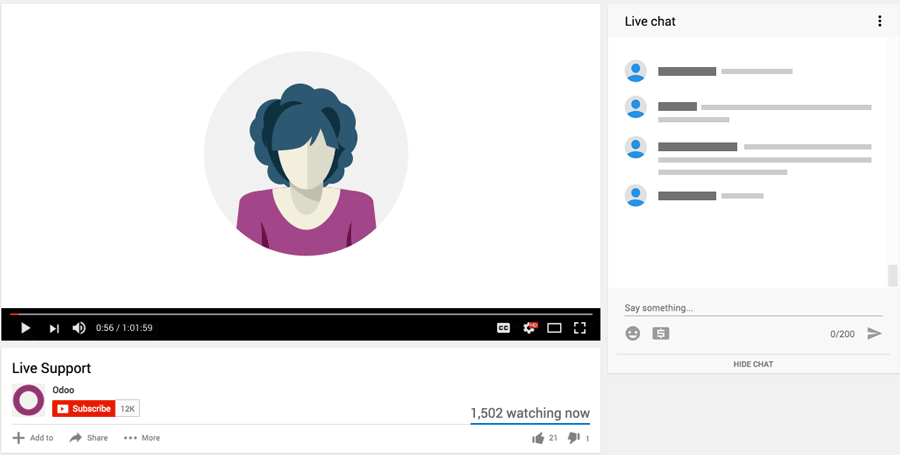
1. Use the live chat to ask your questions.
2. The operator answers within a few minutes.

Live support on Youtube
Watch now