Skip to Content
Odoo Menu
  • Zaloguj się
  • Wypróbuj za darmo
  • Aplikacje
    Finanse
    • Księgowość
    • Fakturowanie
    • Wydatki
    • Arkusz kalkulacyjny (BI)
    • Dokumenty
    • Podpisy
    Sprzedaż
    • CRM
    • Sprzedaż
    • PoS Sklep
    • PoS Restauracja
    • Subskrypcje
    • Wypożyczalnia
    Strony Internetowe
    • Kreator Stron Internetowych
    • eCommerce
    • Blog
    • Forum
    • Czat na Żywo
    • eLearning
    Łańcuch dostaw
    • Magazyn
    • Produkcja
    • PLM
    • Zakupy
    • Konserwacja
    • Jakość
    Zasoby Ludzkie
    • Pracownicy
    • Rekrutacja
    • Urlopy
    • Ocena pracy
    • Polecenia Pracownicze
    • Flota
    Marketing
    • Marketing Społecznościowy
    • E-mail Marketing
    • SMS Marketing
    • Wydarzenia
    • Automatyzacja Marketingu
    • Ankiety
    Usługi
    • Projekt
    • Ewidencja czasu pracy
    • Usługi Terenowe
    • Helpdesk
    • Planowanie
    • Spotkania
    Produktywność
    • Dyskusje
    • Zatwierdzenia
    • IoT
    • VoIP
    • Baza wiedzy
    • WhatsApp
    Aplikacje trzecich stron Studio Odoo Odoo Cloud Platform
  • Branże
    Sprzedaż detaliczna
    • Księgarnia
    • Sklep odzieżowy
    • Sklep meblowy
    • Sklep spożywczy
    • Sklep z narzędziami
    • Sklep z zabawkami
    Żywienie i hotelarstwo
    • Bar i Pub
    • Restauracja
    • Fast Food
    • Pensjonat
    • Dystrybutor napojów
    • Hotel
    Agencja nieruchomości
    • Agencja nieruchomości
    • Biuro architektoniczne
    • Budowa
    • Zarządzanie nieruchomościami
    • Ogrodnictwo
    • Stowarzyszenie właścicieli nieruchomości
    Doradztwo
    • Biuro księgowe
    • Partner Odoo
    • Agencja marketingowa
    • Kancelaria prawna
    • Agencja rekrutacyjna
    • Audyt i certyfikacja
    Produkcja
    • Tekstylia
    • Metal
    • Meble
    • Jedzenie
    • Browar
    • Prezenty firmowe
    Zdrowie & Fitness
    • Klub sportowy
    • Salon optyczny
    • Centrum fitness
    • Praktycy Wellness
    • Apteka
    • Salon fryzjerski
    Transakcje
    • Złota rączka
    • Wsparcie Sprzętu IT
    • Systemy energii słonecznej
    • Szewc
    • Firma sprzątająca
    • Usługi HVAC
    Inne
    • Organizacja non-profit
    • Agencja Środowiskowa
    • Wynajem billboardów
    • Fotografia
    • Leasing rowerów
    • Sprzedawca oprogramowania
    Przeglądaj wszystkie branże
  • Community
    Ucz się
    • Samouczki
    • Dokumentacja
    • Certyfikacje
    • Szkolenie
    • Blog
    • Podcast
    Pomóż w nauce innym
    • Program Edukacyjny
    • Scale Up! Gra biznesowa
    • Odwiedź Odoo
    Skorzystaj z oprogramowania
    • Pobierz
    • Porównaj edycje
    • Wydania
    Współpracuj
    • Github
    • Forum
    • Wydarzenia
    • Tłumaczenia
    • Zostań partnerem
    • Usługi dla partnerów
    • Zarejestruj swoją firmę rachunkową
    Skorzystaj z usług
    • Znajdź partnera
    • Znajdź księgowego
    • Spotkaj się z doradcą
    • Usługi wdrożenia
    • Opinie klientów
    • Wsparcie
    • Aktualizacje
    Github Youtube Twitter Linkedin Instagram Facebook Spotify
    +1 (650) 691-3277
    Zaplanuj demo
  • Cennik
  • Pomoc

Odoo is the world's easiest all-in-one management software.
It includes hundreds of business apps:

  • CRM
  • e-Commerce
  • Księgowość
  • Zapasy
  • PoS
  • Projekt
  • MRP
All apps
Musisz się zarejestrować, aby móc wchodzić w interakcje z tą społecznością.
Wszystkie posty Osoby Odznaki
Tagi (Zobacz wszystko)
odoo accounting v14 pos v15
O tym forum
Musisz się zarejestrować, aby móc wchodzić w interakcje z tą społecznością.
Wszystkie posty Osoby Odznaki
Tagi (Zobacz wszystko)
odoo accounting v14 pos v15
O tym forum
Pomoc

What should onchange methods do and return?

Zaprenumeruj

Otrzymaj powiadomienie o aktywności w tym poście

To pytanie dostało ostrzeżenie
1 Odpowiedz
9787 Widoki
Awatar
Leonardo Donelli

I see a lot of onchange methods in the modules, but I'm not clear on their purpose and what they should return.

0
Awatar
Odrzuć
Leonardo Donelli
Autor

Doc question, feel free to edit and add in any more information guys.

Awatar
Leonardo Donelli
Autor Najlepsza odpowiedź

Version 7 and lower, the API for onchange methods are different for version 8+

The onchange method are server side functions called by the client when a field in a form view is changed.
They should be used to help the user during data input, allowing him to work faster.

The onchange methods can change the data of all the record fields, not only the field that was changed. If an onchange method changes the value of another field (with the 'value' dict key we'll see in a bit) it will trigger the onchange method of that field, if any. So pay attention to not create onchange loops.

Onchange methods can show errors and/or change fields domain/values by returning a dictionary with one of more of these keys:

  • `warning`
    • Used to show an error popup, useful for example for alerting the user that the value he inserted is invalid.
    • The value should be a dict in the form {'title': <title>, 'message': <message>} where <title> will be the title of the error popup and <message> the error message.
    • This doesn't replace server-side validation: even if the client shows a popup error and doesn't accept the value the user could send a bad value with a direct RPC call, request tampering and other ways..
       
  • `domain`:
    • Used to change the domain of a relational field. Useful you have a relational field B which options should be related to the value of field A: you can write and onchange method on field A that returns a new domain for field B according to the new value. For example, if you have a field "company" and a field "contact" you can make an onchange method that when you change the company will limit the options of "contact" to only people of that company.
    • The value should be in the form {<field>: <domain>, <field>: <domain>, ...}, where field is the name of the field you want to update and domain is the new domain, in the usual domain notation.
       
  • `value`:
    • Used to change the value of a field. Onchange methods can change values even if invisible and readonly fields. (but if the fields are readonly the values won't be saved: it should be seen only as a visual hint).
    • The value should be in the form {<field_name>: <value>, <field_name>:  <value>, ...} and value should be in the correct form according to the field type. You can even change the fields of a relational field by using the correct write syntax. For example, you can update the quantity field of all the lines of a sale order.
    • This doesn't replace functional fields and bussiness logic: as with `warning`, the user could bypass the automaatic value set by onchange if he wanted to.

An example of a complete onchange return dict structure (assume the model is sale_order):

{
    'warning': {'title': 'Error!', 'message': 'Something went wrong! Please check your data'},
    'domain': {'partner_shipping_id': [('parent_id', '=', 42)]},
    'value': {
        'partner_id': 42,
        'note': 'I was changed automatically!',
        'order_lines': [
            (1, 13, {'discount': 30, 'quantity': 10}),
            (1, 14, {'discount': 15, 'quantity': 34}),
            ...
        ]
    }
}


1
Awatar
Odrzuć
Podoba Ci się ta dyskusja? Dołącz do niej!

Stwórz konto dzisiaj, aby cieszyć się ekskluzywnymi funkcjami i wchodzić w interakcje z naszą wspaniałą społecznością!

Zarejestruj się
Społeczność
  • Samouczki
  • Dokumentacja
  • Forum
Open Source
  • Pobierz
  • Github
  • Runbot
  • Tłumaczenia
Usługi
  • Hosting Odoo.sh
  • Wsparcie
  • Aktualizacja
  • Indywidualne rozwiązania
  • Edukacja
  • Znajdź księgowego
  • Znajdź partnera
  • Zostań partnerem
O nas
  • Nasza firma
  • Zasoby marki
  • Skontaktuj się z nami
  • Oferty pracy
  • Wydarzenia
  • Podcast
  • Blog
  • Klienci
  • Informacje prawne • Prywatność
  • Bezpieczeństwo Odoo
الْعَرَبيّة Català 简体中文 繁體中文 (台灣) Čeština Dansk Nederlands English Suomi Français Deutsch हिंदी Bahasa Indonesia Italiano 日本語 한국어 (KR) Lietuvių kalba Język polski Português (BR) română русский язык Slovenský jazyk slovenščina Español (América Latina) Español ภาษาไทย Türkçe українська Tiếng Việt

Odoo to pakiet aplikacji biznesowych typu open source, które zaspokoją wszystkie potrzeby Twojej firmy: CRM, eCommerce, księgowość, inwentaryzacja, punkt sprzedaży, zarządzanie projektami itp.

Unikalną wartością Odoo jest to, że jest jednocześnie bardzo łatwe w użyciu i w pełni zintegrowane.

Website made with

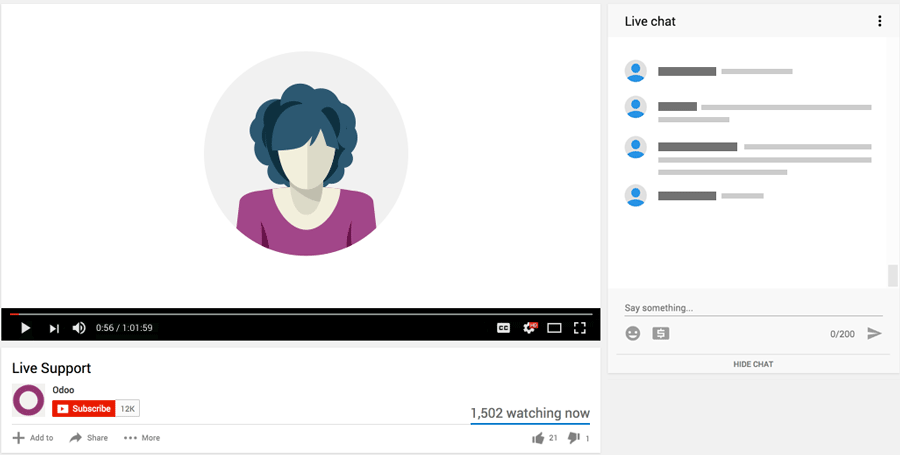
Odoo Experience on YouTube

1. Use the live chat to ask your questions.
2. The operator answers within a few minutes.

Live support on Youtube
Watch now